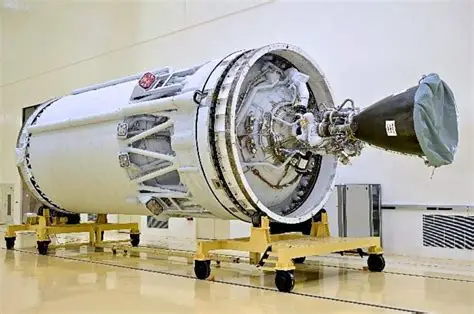
LET'S EXPLORE NEW MISSION :MISSION PSLV C65
PSLV-C65 Mission — India’s Expanding Reach in Space
The story of India’s space program is often told through a few famous missions—Chandrayaan, Mangalyaan, Aditya-L1. Yet behind many of these achievements stands another name that quietly carries much of the responsibility: the Polar Satellite Launch Vehicle, better known as PSLV. Over the years, PSLV has become the backbone of India’s launch capability, trusted for scientific satellites, Earth observation missions, and commercial payloads from around the world.
The upcoming PSLV-C65 mission continues that legacy. It is not just another rocket launch; it represents India’s continuing effort to strengthen satellite deployment, Earth monitoring, and commercial space operations. Missions like these may appear routine compared to lunar landings or Mars exploration, but they are the foundation that keeps modern space infrastructure running.
What Kind of Mission Is PSLV-C65?
PSLV is known as ISRO’s “workhorse rocket” because of its long history of reliable launches. The PSLV-C65 mission is expected to be part of India’s ongoing satellite deployment program, designed mainly for Earth observation and commercial satellite services.
The mission belongs to a category of launches that place satellites into carefully planned orbits around Earth. These satellites are used for purposes such as:
- Weather monitoring
- Agriculture and crop analysis
- Disaster management
- Communication support
- Mapping and surveillance
- Scientific observation
Unlike deep-space missions that travel toward the Moon or Mars, PSLV missions usually focus on strengthening services around Earth itself. These launches are extremely important because modern navigation systems, climate studies, and communication networks depend heavily on satellites operating in orbit
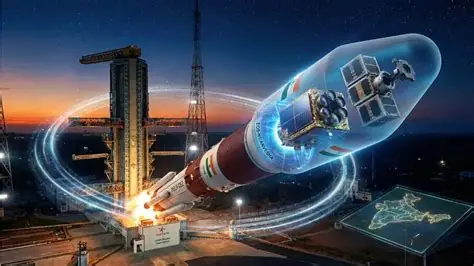
Mission Details — Rocket, Launch, Timeline, and Technical Information
As of now, ISRO has officially released information up to the PSLV-C62 mission. The PSLV-C65 mission is expected to follow as part of the next sequence of launches under the PSLV program.
The PSLV series itself has built a remarkable history. Since its first developmental launch in the 1990s, it has carried satellites for India and many international customers.
Launch Vehicle
The rocket used in the mission belongs to the PSLV family, developed by ISRO. Depending on payload requirements, PSLV missions are launched in different variants such as:
- PSLV-CA
- PSLV-DL
- PSLV-QL
- PSLV-XL
These variants mainly differ in the number of strap-on boosters attached to the rocket.
Launch Site
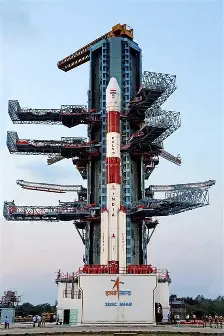
The mission is expected to launch from the Satish Dhawan Space Centre, India’s primary spaceport located on the eastern coast.
Mission Duration and Satellite Life
The operational life of satellites launched through PSLV missions usually ranges between 5 to 10 years, depending on the mission objective and onboard systems.
If the mission includes Earth observation satellites, they generally operate in Sun-synchronous orbit, allowing them to pass over the same region of Earth under similar lighting conditions. This helps scientists compare images over long periods for climate and environmental analysis.
Will the Rocket Come Back?
Unlike reusable launch systems being developed by companies such as SpaceX, the standard PSLV rocket is not reusable. After completing its task, the stages separate and eventually fall back into Earth’s atmosphere or designated ocean zones.
However, ISRO has been researching reusable launch technologies for future missions. Some experimental demonstrations have already been conducted to study controlled re-entry and recovery systems.
Why the PSLV-C65 Mission Matters
At first glance, launches like PSLV-C65 may seem less dramatic than Moon landings. But in reality, missions like these quietly support many systems people use every day.
Earth observation satellites launched through PSLV missions help in:
- Predicting cyclones and extreme weather
- Monitoring floods and droughts
- Improving farming decisions
- Tracking environmental change
- Supporting navigation and communication systems
- Strengthening national security and surveillance
The mission also matters commercially. India has become an increasingly important launch provider for international customers because PSLV missions are considered cost-effective and technically efficient.
Even after occasional setbacks, the PSLV remains one of the most respected launch vehicles in the global space industry due to its long operational history and versatility.
Conclusion
The PSLV-C65 mission represents more than the launch of a satellite. It reflects the steady and disciplined growth of India’s space program—one built not only on headline-making discoveries, but also on consistent engineering, research, and long-term planning.
Space exploration is often imagined as giant leaps, but most progress comes through repeated precision: one launch, one satellite, one improvement at a time. Missions like PSLV-C65 are part of that quieter process. They strengthen scientific capability, support everyday technologies on Earth, and prepare the foundation for more ambitious missions in the future.
And perhaps that is what makes the PSLV program remarkable. It does not only chase distant worlds; it continuously builds the systems that connect space research with life on Earth itself.