LVM-M6 — India’s Heavy Rocket Taking Space Exploration Further
Over the last few decades, India’s space program has transformed from launching small experimental satellites to conducting lunar missions, Mars exploration, and preparing for human spaceflight. Behind many of these achievements stands the powerful rocket developed by the Indian Space Research Organisation, commonly known as ISRO.
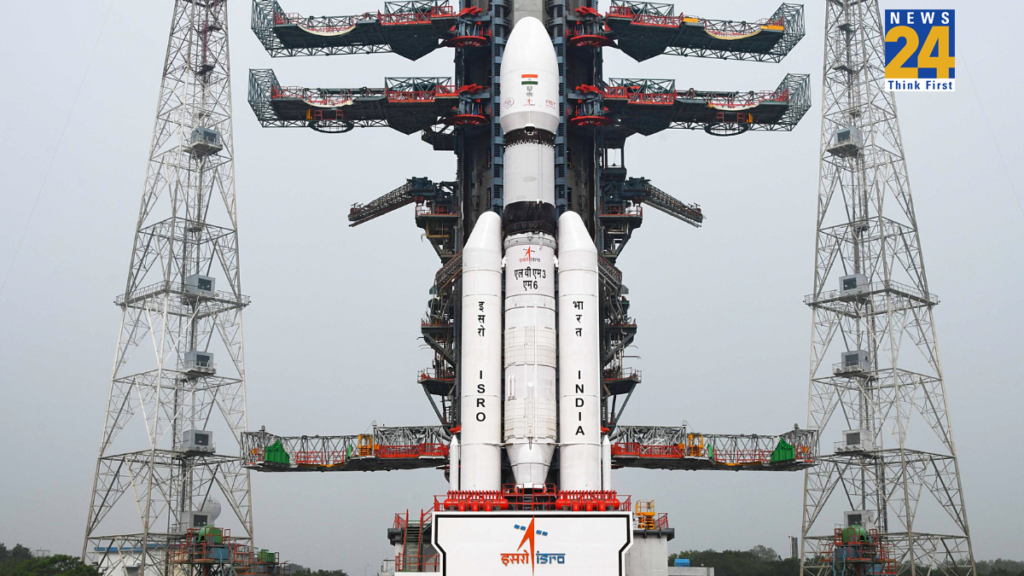
The upcoming LVM-M6 mission is another important step in this journey. It belongs to the LVM3 rocket series, India’s heaviest and most capable launch vehicle currently in operation. This rocket is designed for missions that require carrying heavy satellites, deep-space payloads, and future astronauts.
LVM3 has already proven its capability through missions like Chandrayaan-2 and Chandrayaan-3. With LVM-M6, ISRO continues strengthening its position in modern space exploration.
What Makes the LVM-M6 Mission Special?
The LVM-M6 mission represents the sixth operational flight of the LVM3 rocket family. Earlier known as GSLV Mk III, the rocket was renamed Launch Vehicle Mark-3 or LVM3.
What makes this rocket special is its ability to carry much heavier payloads compared to earlier Indian rockets such as PSLV. It is designed for:
- Heavy communication satellites
- Deep-space missions
- Scientific spacecraft
- Human spaceflight missions
- Commercial satellite launches
The rocket is often called the “Bahubali” of Indian space missions because of its massive lifting capability.
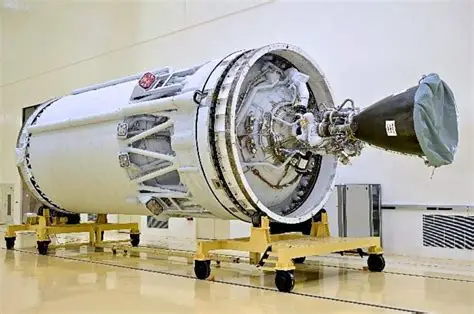
Another major feature of the mission is the use of cryogenic technology in the upper stage. This technology uses super-cooled fuels and is considered one of the most difficult achievements in rocket science.
Launch Details and Rocket Information
The LVM-M6 mission is expected to launch from the Satish Dhawan Space Centre in Sriharikota, Andhra Pradesh.
Launch Vehicle
The mission uses the LVM3 rocket, which is approximately 43 meters tall and weighs nearly 640 tonnes during liftoff.
Rocket Structure
The rocket mainly consists of three stages:
Solid Rocket Boosters
Two powerful boosters generate the huge thrust required during launch.
Liquid Core Stage
This stage continues pushing the rocket higher after booster separation.
Cryogenic Upper Stage
The final stage carries the payload into its required orbit using highly efficient cryogenic engines.
Payload
The official payload details are usually announced by ISRO closer to launch. The mission may carry advanced communication satellites, scientific instruments, or strategic payloads depending on mission requirements.
The Work and Importance of LVM-M6
The importance of LVM-M6 goes far beyond a single rocket launch.
Supporting Future Human Spaceflight
The LVM3 rocket is expected to play a major role in the Gaganyaan mission, India’s first human spaceflight program. Successful LVM missions help improve the reliability needed to safely carry astronauts into space.
Strengthening India’s Space Capability
Heavy-lift rockets are necessary for advanced space missions. They allow countries to:
- Launch large satellites
- Conduct lunar and planetary missions
- Build future space stations
- Improve national communication systems
Commercial Importance
India is also becoming a trusted launch provider for international customers. Missions like LVM-M6 improve confidence in India’s launch technology and attract global partnerships.
Conclusion — A Mission That Represents India’s Future in Space
VM-M6 is not just another launch mission. It represents India’s growing confidence in advanced space technology and heavy-lift rocket systems.
From supporting communication satellites to preparing for human spaceflight, the LVM3 rocket family is becoming one of the strongest foundations of India’s future space ambitions.
As missions become more complex in the coming years, rockets like LVM3 will continue carrying not only satellites into orbit, but also the dreams of a country aiming to play a major role in global space exploration.