The NISAR Mission: A Technological Marvel in Space Exploration
Introduction to NISAR
The NASA-ISRO Synthetic Aperture Radar (NISAR) mission is a unique collaboration between the United States and India, focused on exploring our planet from space using some of the most advanced radar technology available today. This mission is designed to capture detailed images of the Earth’s surface, helping scientists observe natural processes with a clarity and depth that was not possible before.
Technological Highlights
What makes NISAR stand out is its use of Synthetic Aperture Radar (SAR) technology, which operates using two radar frequencies—L-band and S-band. This dual-frequency system allows the satellite to see through clouds, vegetation, and even soil, giving it the ability to monitor the Earth no matter the weather or time of day. The satellite’s large antenna, about 12 meters wide when unfolded, helps it capture high-resolution images over a wide area.
The combination of these two radar bands means NISAR can gather a wide range of data simultaneously. This makes it possible to track everything from shifting tectonic plates and melting ice sheets to changes in forests and wetlands. This leap in radar imaging technology promises to provide data with a level of detail and scale that is truly impressive.
The Minds Behind the Mission
The mission has brought together talented scientists from both NASA and the Indian Space Research Organisation (ISRO). Dr. Dhanesh Pattabiraman from NASA’s Jet Propulsion Laboratory has been pivotal in designing the radar instruments that make NISAR possible. On the Indian side, Dr. M. Annadurai, a noted space scientist and former director of the ISRO Satellite Centre, has played a major role in guiding the mission from concept to reality.
Other key contributors include Dr. Krishna Rajan, who has worked on materials essential for the radar’s performance, and Dr. R. Umamaheshwaran, who helped design the satellite’s antenna. Together, these scientists have combined their expertise to overcome complex challenges and bring the mission closer to launch.
Achievements So Far
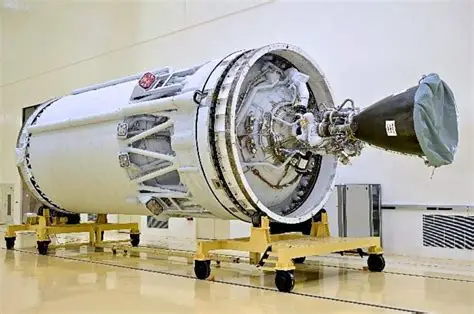
NISAR has already reached important milestones. The development of the dual-frequency radar instrument is a major achievement in itself, reflecting years of research and innovation. Both NASA and ISRO have rigorously tested the satellite’s components under harsh conditions to ensure they will function perfectly once in orbit.
Beyond the technology, the partnership between NASA and ISRO is a remarkable achievement, highlighting how countries can work together to push the frontiers of space exploration. With the launch on the horizon, all the preparation and hard work are set to open a new chapter in how we observe and understand our planet.
The NISAR mission is more than just a satellite—it’s a symbol of scientific curiosity and international teamwork. With its advanced radar technology and the dedication of talented scientists, it promises to offer new insights into our Earth’s dynamic systems.