Introduction — More Than Just a Bright Object in the Sky
For thousands of years, the Moon has been one of the most familiar sights in the night sky. It appears so regularly that most people rarely stop to think about how important it truly is. Sometimes it glows brightly as a full moon, while on other nights it appears only as a thin crescent. Ancient travelers used it to navigate, farmers followed its cycles, and storytellers turned it into a symbol of mystery and beauty.
But the Moon is far more than a glowing rock orbiting Earth. It influences the oceans, affects Earth’s rotation, helps stabilize the climate, and has shaped human culture for centuries. Scientists now believe that without the Moon, Earth may have become a completely different planet.
How the Moon was Formed
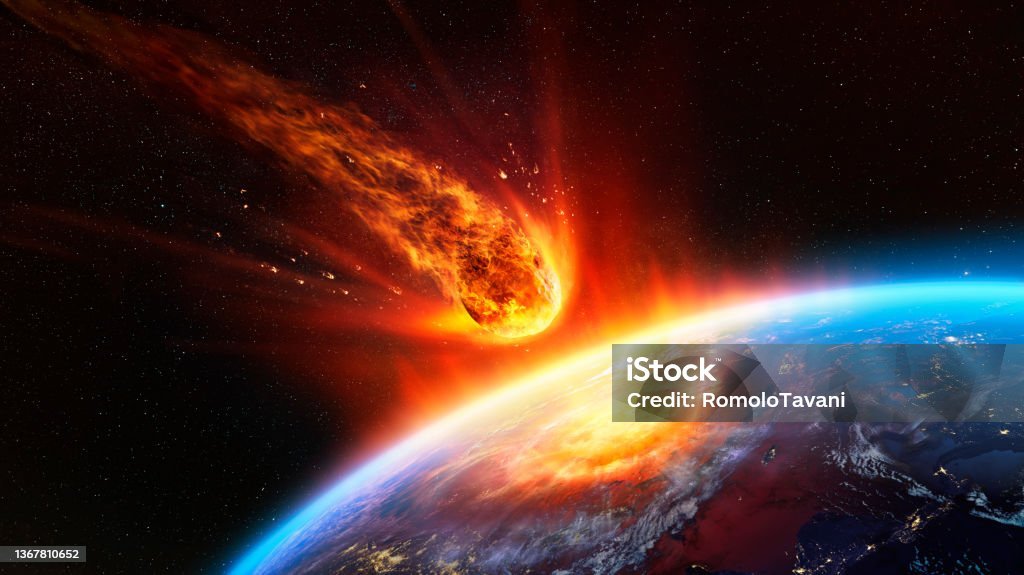
Scientists believe the Moon formed around 4.5 billion years ago during the early years of the solar system. At that time, Earth itself was still young, hot, and unstable. According to the widely accepted Giant Impact Theory, a massive object about the size of Mars, often called Theia, crashed into the young Earth.
The collision was enormous. The impact released huge amounts of heat and blasted rocks and debris into space. Over time, this scattered material slowly gathered together because of gravity and eventually formed the Moon.
This violent beginning explains why Earth and the Moon remain closely connected even today. Studies of lunar rocks brought back by the NASA Apollo missions showed that the Moon’s composition is surprisingly similar to Earth’s outer layers. In many ways, the Moon formed from material that was once part of our own planet.
Since then, Earth and the Moon have continued influencing each other through gravity. Their relationship shaped Earth’s tides, climate stability, and rotational balance over billions of years.